Showing posts with label gonorrhea. Show all posts

STD Symptoms

We all have heard so much of Sexually Transmitted Disease (STD), as this disease is becoming an epidemic dilemma in our society especially to young ones. The access of promiscuity is nearly inevitable due to the influence of technology, lack of medical knowledge and societal pressure. The world is surrounded by this type of silent disease that has been lurking to any couple from various sexual preferences. STD is less discussed to public because of its personal sexual nature. However, it is vital for everyone to be aware about the symptoms and other information pertaining to treatment and prevention.

Medical professionals relayed that STD symptoms are not always visible compared to other diseases. There are practically asymptomatic and comes in low levels if one acquires it from an infected individual either anal, oral or any copulative entry sex.  In general, if the symptoms worsen without being diagnosed from your doctor, STD symptoms will reveal strong manifestation invading major organs and will require long-term medication.

Anybody can be vulnerable to the disease even condoms and other protection devices are used prior to intercourse. In fact, men are more likely to acquire the disease and exhibit more STD symptoms than women. The modern generations of gender which include same sex partners (gay men, bisexual individuals) are at high risk. The outspread aggravates for multiple partners and commercial sex workers and thus, extra care of safe sex must be well practiced.

Among the many STD symptoms in men, gonorrhea and syphilis are found to be the most common aside from HIV and Chlamydia, which affects both sexes. Gonorrhea manifestations include pus discharge that can be felt as burning sensation upon urination. It is researched that when prolonged and left untreated can lead to inflammation to the testicles causing infertility. 

Syphilis STD symptoms in men affects mucous membranes of the body, genitals and other body parts. One of the significant characteristics in primary syphilis is the painless sore where the infection site is transmitted. This is normally seen nearby areas of the genitals.

Women, on the other hand, acquire such STD symptoms even to the extent that they will experience pelvic problems as well as difficulties while bearing a child if they are pregnant. Herpes Simplex Virus and Chlamydia are two unnoticeable STD found in women.

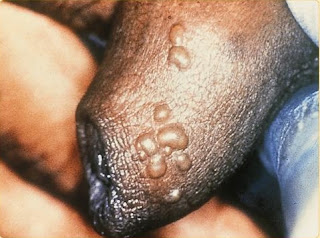
Herplex Simplex Virus causes genital herpes and STD symptoms in women are profoundly contagious if they are not consulted immediately by a practitioner. They cause itchiness around the vaginal area and are accompanied by small red blisters and painful ulcers. In some variable cases of STD symptoms in women, sores can reach the cervix which can be uncomfortable.

Chlamydia bacterial infection spreads are rather undetectable due to their nature and characteristic as STD symptoms in women. Should there be any presence within the course of symptomatic period, a woman may experience discharge from the vagina, painful when urinating, sense of urgency and discomfort. If these symptoms worsen, it is best that sexual intercourse is avoided, and consult your doctor immediately for further analysis.

Indeed, STD is something that you should not take for granted when symptoms exist and persist. For more information and better understanding of these symptoms, you are at the right place. 

Gonorrhea: A Disease That Loiters In Silence

It’s really ironic how our society has claimed many lives in just spreading a fatal intimacy of sexually transmitted diseases (STD). We may be aware of the symptoms, treatment and prevention but most likely couples still engage in sexual activities more often than not. With millions now transmitting the disease of gonorrhea from one person to another, we should break the mode of transmission and rely on safe practices instead. Check out these health facts about gonorrhea symptoms, and who knows you might be a victim of this disease.

1. What really is Gonorrhea?
It is one of the common problems in STD individuals and the bacteria, Neisseria gonorrheoae is responsible for the transmission. It is always confused with Chlamydia bacteria because they bear almost the same manifestations. However, with early diagnosis, doctors can determine whether the bacterium is gonorrhea or not.


2. How can it affect the people?
According to medical science, gonorrhea replicates itself in areas that are moist and warm. The environment favors in mucosal linings such as the urethra, uterus, vagina, cervix and anus. The mouth is also a good environment to incubate the bacteria over a period of time. When partners perform sexual activities via vaginal or anal contact without noticing any symptoms of gonorrhea, the mode of transmission begins.

3. Diagnosing the symptoms
Gram stain is an important diagnostic test if individuals have symptoms of gonorrhea discharges leaking from the urethra opening. In other laboratory analysis, a nurse takes a sample using a sterile applicator from the infected area or where there is evident of discharge. The stain can then be examined to determine which pharmacological treatment is needed.

4. How long is its incubation period?
It is believed that the disease will incubate from the infected person counting by the first day until two weeks later. After which, the symptoms of gonorrhea will outburst pus drainage signs and can be considered contagious.

5. Manifestations in men
The discharges of gonorrhea symptoms are presented as yellowish-green pus draining from penile urethra. Burning sensation while urinating appears to be painful and can be uncomfortable. Itching is common in rectum areas if the sexual contact is more done anally.

6. Clinical features in women
Vaginal and bladder infections are more likely to exhibit in women due to the short length of the urethra. In fact, gonorrhea symptoms are more prevalent in females than males. In addition to the symptoms, itching around the vaginal opening and nearby glands can be affected as well. Vaginal bleeding and painful sex after or during the intercourse is also included.

7. Dos and Don’ts when symptoms appear
There are things that each partner has to consider before engaging in sexual intercourse. It is still best to be abstinent until the blown of gonorrhea symptoms disappear. Better yet, avoid sexual contact until your partner is fully treated. The use of condoms is effective but do remember that it cannot assure you to be completely protected from the disease.

Get a doctor quick if you have these herpes symptoms!

Being too attached with multiple partners is big outbreak for Sexually Transmitted Disease (STD) like genital herpes and you could be at r...